Whether it's a backyard workshop, a she-shed home office, a detached garage, or a barn, getting real power out there changes what the space can do.
But a detached building isn't just an extension cord run across the yard. Powering an outbuilding safely means a properly sized feeder, the right burial depth or conduit, a dedicated disconnect, its own grounding, and weatherproof materials rated for the run. It's governed by specific sections of the electrical code — and skipping any of them creates a fire or shock hazard that an extension cord makes worse, not better.
Swamp Rabbit Electric runs safe, permitted, code-compliant power to sheds and outbuildings throughout Greenville, SC and the Upstate. With over two decades of hands-on experience and a license earned in some of the toughest jurisdictions in the country, Daniel makes sure your detached building is powered right, passes inspection, and is built to handle what you actually plan to use it for.
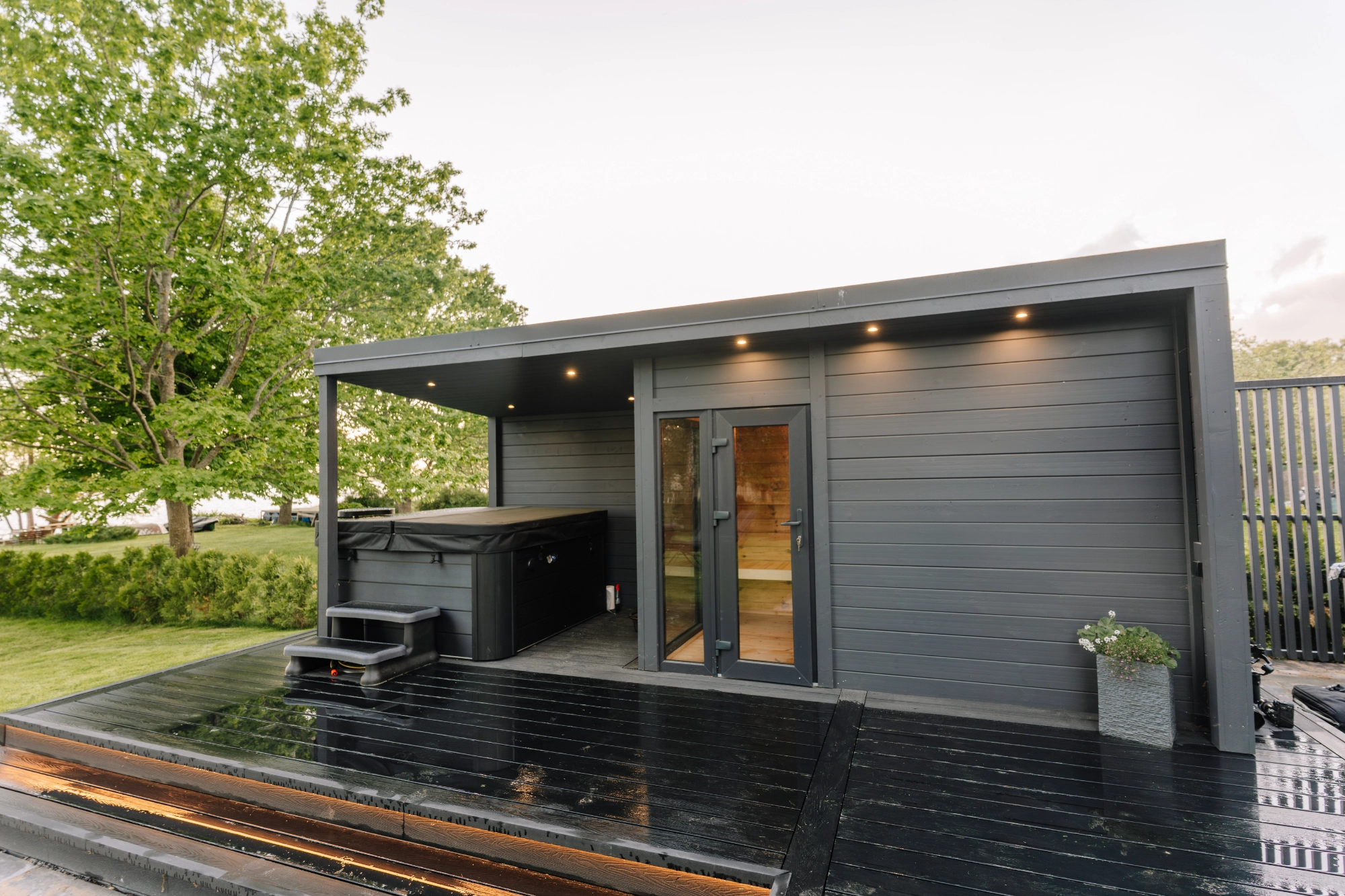
Running power to a detached building is more involved than wiring a room inside your house. Here's what a proper job requires — and why each piece matters:
The line feeding your outbuilding has to be sized for the load you plan to run — a few lights and outlets is very different from a workshop full of power tools or a mini-split for heating and cooling. We size it for what you'll actually use.
Bigger loads call for a small subpanel in the building, giving you room for multiple circuits. Lighter needs may only require a single dedicated circuit. We help you pick the right approach so you're not under-built or over-paying.
Code requires a detached building with a subpanel to have its own grounding electrode — a ground rod at the structure — with the neutral and ground kept separate. This is one of the most commonly botched steps on DIY and handyman jobs.
Most shed power runs underground. That means the correct cable or conduit, buried at the proper depth for the method used, so it's protected and lasts. We handle the trench and the run.
A detached structure needs a means to shut its power off right there at the building. It keeps the space safe to work on without running back to the main house panel.
Every part exposed to the elements — the conduit, fittings, exterior outlets, and disconnect — has to be weather-rated. Indoor-grade materials fail fast outside.
Running power to an outbuilding the right way follows a clear process. Here's what it looks like when Swamp Rabbit Electric handles the job:
We talk through what you want the building to do — lights, outlets, tools, heating and cooling, an EV charger, a freezer — and check your main panel for available capacity. That tells us the feeder size and whether you need a subpanel or a single circuit.
We plan the path from your main panel to the building and decide the best run — typically underground — choosing the right cable or conduit and burial depth for the situation.
Running power to a detached structure requires a permit in Greenville County and has to meet the code rules for feeders, grounding, and disconnects at outbuildings. We pull the permit and coordinate the inspection.
Daniel trenches and runs the feeder, sets the subpanel or circuit, drives the grounding electrode, installs the disconnect, and wires your outlets, switches, and lighting. Every connection is verified before he leaves.
A county inspector confirms the work meets code. You get a safe, fully powered building — and the documentation to prove it was done right.
Most shed jobs come down to one of two approaches, and knowing which you need tells you what the project involves.
The cost of powering a shed or outbuilding depends on a handful of factors: how far the building sits from your main panel, whether the run is trenched underground or overhead, whether you need a full subpanel or a single circuit, how many outlets and lights you want inside, and whether your main panel has room for the new feeder.
For a typical detached building in Greenville, most homeowners can expect to invest between $1,000 and $3,500, depending on scope. A nearby shed needing just a single circuit and a couple of outlets lands on the lower end. A workshop at the back of the property requiring a long trench, a subpanel, and multiple circuits will run higher.
The biggest cost drivers are distance and trenching. A shed twenty feet from the house is a very different job than a barn at the back of a one-acre lot.
"I recently hired Danny to change out several light fixtures and install a NEMA 14-50 outlet for EV charging, and I couldn't be happier with the results. He was professional, punctual, and clearly knew what he was were doing. The lighting looks perfect, and the outlet was installed cleanly and works flawlessly. Everything was done safely and up to code, and he even cleaned up after the job. Highly recommend for any electrical work—reliable and skilled!"
"Daniel installed an EV Charger and Fan, Outstanding work, excellent price, and left the job as clean as he found it. I would definitely use again"
"Daniel responded quickly, arrived on time, and did a thorough and meticulous job. I will be hiring Swamp Rabbit Electric again to meet any electrical needs I have in the future."
We proudly serve homeowners and businesses in:
Whether you're searching for an electrician near you, emergency electrical repair, panel upgrades, EV charger installation, or lighting services in Greenville—you're in the right place.
Yes — most shed power jobs are exactly that. Whether your building is brand new or has been sitting dark for years, we can run the feeder, set up the subpanel or circuit, and wire the lights and outlets inside. The building being finished doesn't change anything.
It depends on what you want to power. A few lights and outlets can run off a single dedicated circuit. A workshop with power tools, a mini-split, or anything you might expand later is better served by a small subpanel that gives the building its own breakers. We'll recommend the right fit for your plans — and your budget.
Yes. Powering a detached structure requires an electrical permit in Greenville County, and the work has to meet code for feeders, grounding, and the disconnect at the building. We handle the permit and coordinate the inspection for you.
In most cases, yes — and it's usually the cleanest option. We use the correct cable or conduit buried at the proper depth so the run is protected and lasts. Overhead is sometimes an option too; we'll recommend the best route for your property.
Absolutely — that's exactly when a subpanel earns its keep. We size the feeder for those loads up front, so your tools, a mini-split, or a space heater all run without tripping breakers or overloading the line.
When the building has a subpanel, yes — code requires its own grounding electrode at the structure, with the neutral and ground kept separate. It's a step DIY and handyman jobs frequently get wrong, and it's one of the most important parts of doing it safely.