When the lights go out and stay out, a properly installed generator is the difference between riding it out comfortably and scrambling with flashlights and coolers.
Swamp Rabbit Electric handles the electrical side of generator installation for homeowners across Greenville, SC and the surrounding Upstate. That means transfer switches, panel integration, dedicated circuits, and everything it takes to connect your generator to your home's electrical system safely and to code. With over 20 years of hands-on experience — including 16 years working under top journeymen in New York City — we don't take shortcuts on the work that sits between your generator and your family.
Generator installation has two sides: the unit itself and the electrical hookup that connects it to your home. We focus on what we do best — the electrical work.
A standby generator sits permanently outside your home and connects to your electrical panel through an automatic transfer switch. When the power goes out, the transfer switch detects the outage and starts the generator within seconds — no manual intervention needed. We handle the full electrical scope: sizing the transfer switch, wiring it into your panel, running the electrical connections to the generator pad, and testing the complete system. If gas line work is needed, we coordinate with a licensed plumber to keep the project on track.
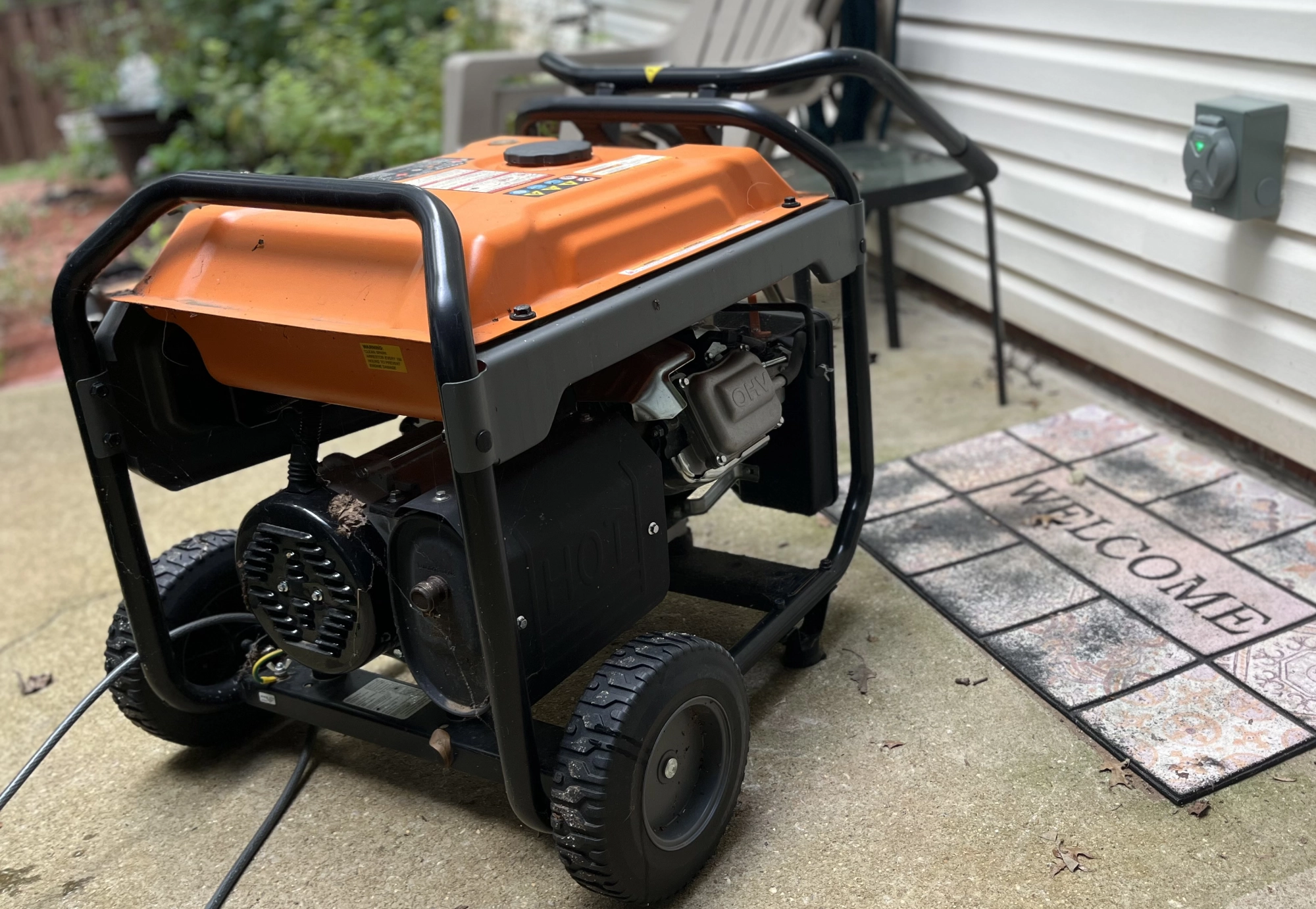
If you already own a portable generator or plan to buy one, we can install a manual transfer switch or generator interlock kit that lets you safely connect it to your home's electrical panel. This is the setup that lets you power specific circuits — your refrigerator, a few lights, your well pump — without running extension cords through the house or risking backfeed to the utility grid.
The transfer switch is the critical safety component in any generator setup. It isolates your home from the utility grid before generator power kicks in, preventing dangerous backfeed that can injure utility workers and damage your electrical system. We install both automatic transfer switches for standby generators and manual transfer switches for portable setups. If your existing transfer switch is outdated or malfunctioning, we replace it.
Some installations require a dedicated subpanel to manage which circuits the generator powers. This is common when a homeowner wants to back up specific loads — HVAC, refrigeration, lighting, well pump — without oversizing the generator to power the entire home. We wire and label the subpanel so you know exactly what's protected during an outage.
The right generator setup depends on how much backup power you need and what you're willing to invest.
A quality portable unit runs $500 to $2,500, and adding a manual transfer switch or interlock kit typically costs $400 to $1,300 for the electrical hookup. Portable generators require you to start them manually, run on gasoline, and power a limited number of circuits. They're a solid option if you're looking for basic coverage — keeping the fridge cold, a few lights on, and maybe a window AC or space heater running during an extended outage.
They connect to your natural gas line or a propane tank and start automatically through the transfer switch. The trade-off is cost: a fully installed standby system typically runs $6,000 to $15,000+ depending on the generator size, fuel type, and the complexity of the electrical and gas hookup. For homeowners who work from home, have medical equipment that requires power, or simply don't want to think about managing an outage, a standby generator is the better long-term investment.
Generator hookups involve more than plugging something in. Here's what the electrical scope of a typical installation looks like:
We determine how much power your home needs during an outage. This tells us the right generator size and transfer switch rating, and whether your existing panel can handle the setup or needs an upgrade.
We match the transfer switch to your generator type and panel configuration. For standby generators, this is usually an automatic transfer switch (ATS) rated to handle your full panel or a selected set of circuits. For portable hookups, it's a manual transfer switch or interlock device. The transfer switch is mounted adjacent to your main panel and wired directly into the circuits you want to protect.
We run the wiring from the transfer switch to the generator location — whether that's a concrete pad next to the house, a spot along the exterior wall, or an inlet box for a portable unit. All wiring is properly sized for the generator's output and run through conduit where required.
Generator installations in Greenville County require an electrical permit, and the work must pass inspection. We handle the permitting process and schedule the inspection so everything is documented and code-compliant.
Before we leave, we simulate a power outage and confirm the transfer switch activates correctly, the generator powers the designated circuits, and the system shuts down and reconnects to utility power properly when the grid comes back online.
Most homeowners spend a lot of time researching generator brands — Generac, Kohler, Cummins, Briggs & Stratton — and not nearly enough time thinking about the installation itself. The reality is that a $5,000 generator connected by someone who doesn't know what they're doing is less reliable than a $3,000 generator installed correctly.
Here's where installations go wrong without a licensed electrician: An undersized transfer switch that can't handle the load. Improper backfeed protection that puts utility workers at risk. Wire runs that aren't rated for the generator's amperage. A panel that's already at capacity and can't safely support the additional load. Missing permits that create problems with insurance claims and home sales.
We don't sell generators — we install and connect them. That means our recommendation is based on what your home actually needs, not what earns us the biggest equipment markup. If you already have a generator or you're buying one from a dealer, we handle the electrical hookup.
"Great work, on time, fair prices.Daniel was very easy to work with. Licensed and insured. He installed generator switch, ceiling fans and fixed bad wiring from a former contractorI will be using him again."
"Swamp Rabbit Electric installed a generator inlet box and 50 Amp breaker in our panel box the next day after the hurricane, and their service was excellent. They were punctual, professional, and explained everything clearly. The installation was quick, tidy, and done with care. I’m very satisfied with their work and highly recommend them for any electrical needs. Thanks Danny. 5/5 stars!"
"Good job. Great instructions afterwards. Highly recommend Daniel to anyone requiring exceptional work from friendly guy."
We proudly serve homeowners and businesses in:
Whether you're searching for an electrician near you, emergency electrical repair, panel upgrades, EV charger installation, or lighting services in Greenville—you're in the right place.
The electrical hookup for a standby generator typically takes one full day. Portable generator hookups with a transfer switch or interlock are usually completed in three to five hours. If your installation requires a panel upgrade or extensive wiring, we'll let you know the timeline upfront.
Yes. Generator installations require an electrical permit in Greenville County. The work must pass a code inspection before the system is considered complete. We handle the permitting process for every installation.
Yes. We install manual transfer switches and generator interlock kits that allow you to safely connect a portable generator to your home's panel. This eliminates the need for extension cords running through your house and prevents dangerous backfeed to the power grid.
It depends on what you want to power. A portable generator in the 5,000 to 7,500 watt range can handle basic essentials — refrigerator, lights, a few outlets, and a sump or well pump. If you want to run your HVAC system and most of your home, you'll need a standby generator in the 16 to 22 kW range. We perform a load calculation during our consultation to size the system correctly.
We install the electrical hookup for any generator brand, including Generac, Kohler, Cummins, and Briggs & Stratton. We don't sell generator units, which means our focus is entirely on making sure the electrical connection is done safely and to code — regardless of which brand you choose.
An automatic transfer switch detects a power outage and switches your home to generator power within seconds, with no action required from you. A manual transfer switch requires you to start the generator and flip the switch yourself. Standby generators use automatic switches; portable setups typically use manual switches or interlock kits.
Whether you need a whole house standby generator wired into your panel or a safe hookup for the portable unit sitting in your garage, Swamp Rabbit Electric has the experience to get it done right. Licensed, insured, and focused on the electrical work that actually makes your generator reliable.